
Fortnite Addiction: Signs, Risks, and How to Break Free
Titouan De Dain
Summarize with AI
Need Help Now?
Fortnite isn't "just a game." It's a live, social world built around constant goals—rank, quests, events, and the feeling that there's always something you should do next.
If you (or your child) keep playing longer than planned, get irritable when forced to stop, and feel real life starting to slip away, this may be more than just a hobby—it could be gaming addiction.
This guide breaks down what makes Fortnite so hard to quit, the warning signs of real addiction, and practical steps to take back control—without shame.
What Makes Fortnite So Addictive?
It is not an accident that you can't put the controller down. Fortnite uses sophisticated psychological mechanics designed to keep you logged in.
The "Near Miss" Effect
Have you ever placed #2 or #5 in a match and felt a sudden urge to play again immediately?
Psychologists call this the "Near Miss" effect. Your brain doesn't register a 2nd place finish as a loss; it registers it as "almost a win." This triggers a dopamine release similar to winning, fueling the "just one more match" loop.
The "Hooked" Model
Fortnite masters a four-step psychological habit loop:
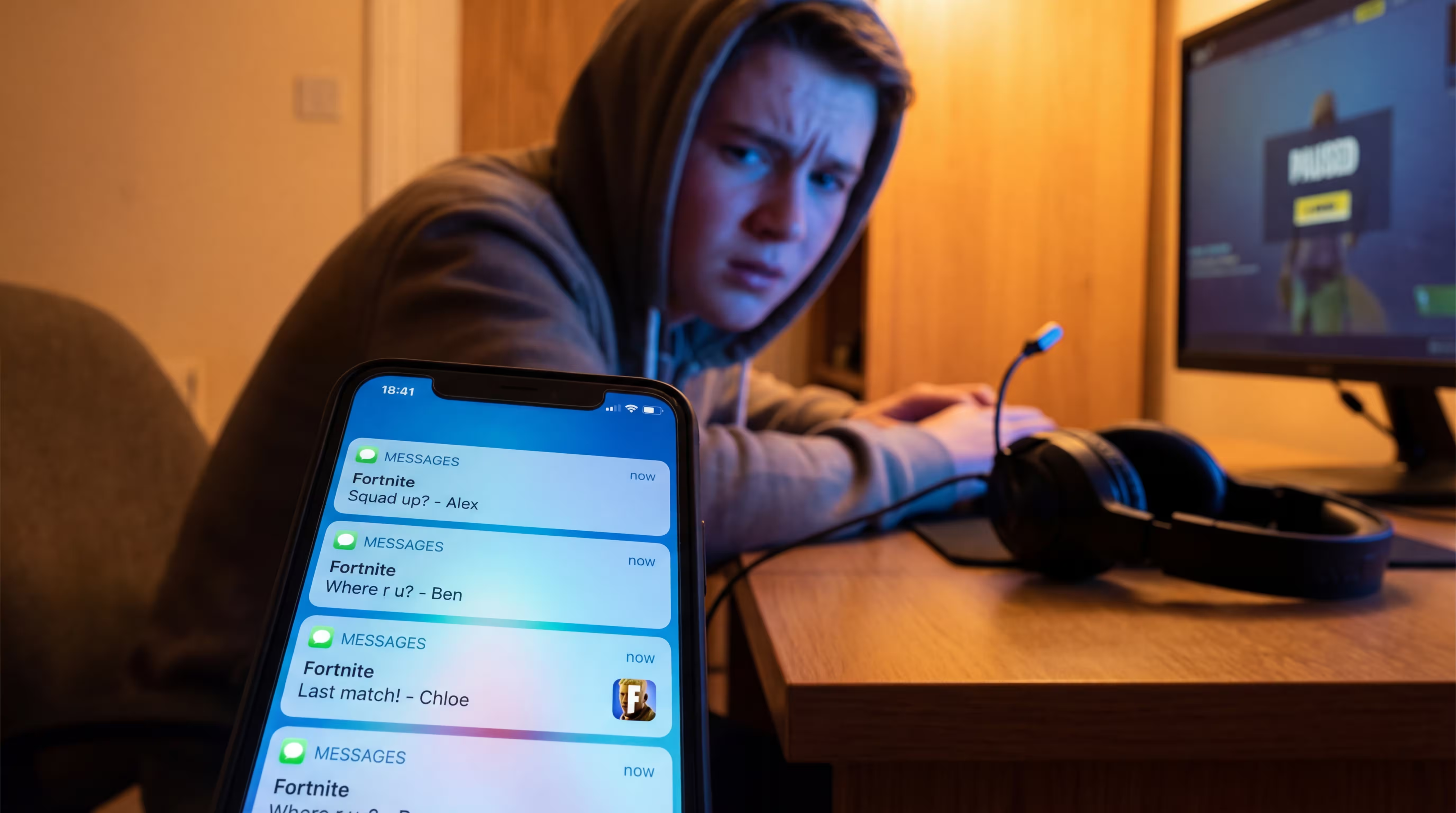
- Trigger: A push notification or a text from a friend ("Squad up?").
- Action: One click to join. Low friction.
- Variable Reward: You never know exactly what you'll get—a victory, a rare loot drop, or a crazy kill. This unpredictability keeps your brain hunting for the next high.
- Investment: Buying the Battle Pass. Once you spend money, you feel a psychological obligation to play to "earn" your skins.
FOMO (Fear Of Missing Out)
The Item Shop rotates daily. Seasons change every few months. If you don't play now, you miss that skin or event forever. This artificial scarcity hacks your brain's fear of loss, making logging in feel like a mandatory chore rather than a choice.
Warning Signs of Fortnite Addiction
How do you know if you've crossed the line? Look for these three changes. (For a deeper dive into clinical gaming disorder symptoms, read our guide on video game addiction symptoms.)
1. Behavioral Changes
- Loss of Control: You promise to play for one hour, but look up and it’s been four.
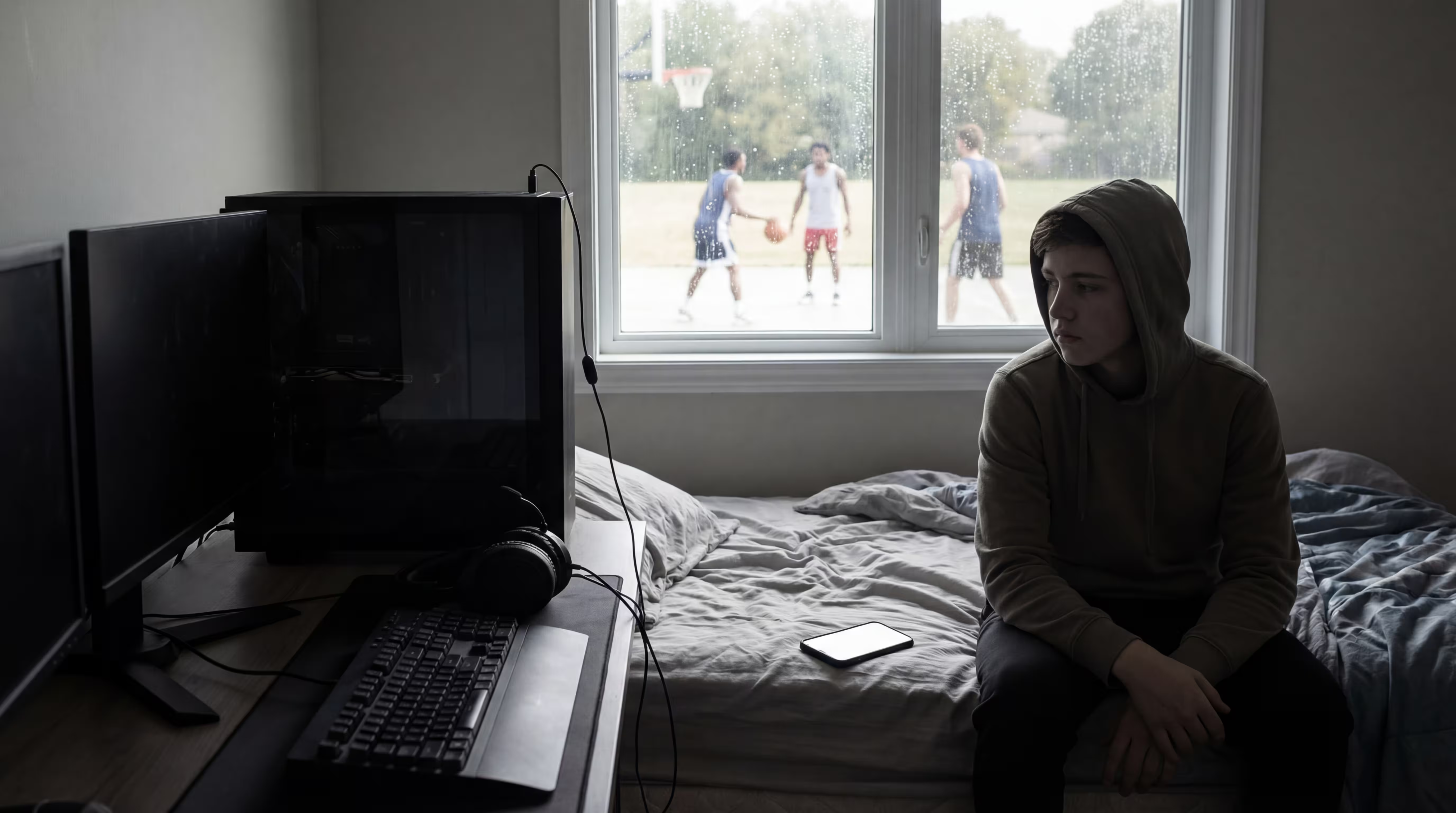
- Displacement: You’ve stopped hanging out with non-gaming friends or quit sports/hobbies you used to love.
- Deception: You lie to your parents or partner about how long you’ve been playing.
2. Emotional Indicators
- Gamer Rage: You scream, throw controllers, or punch walls when you lose. This is a sign of emotional dysregulation.
- Withdrawal: When you aren't playing, you feel restless, anxious, or bored. Real life feels "grey" compared to the game.
3. Physical Symptoms
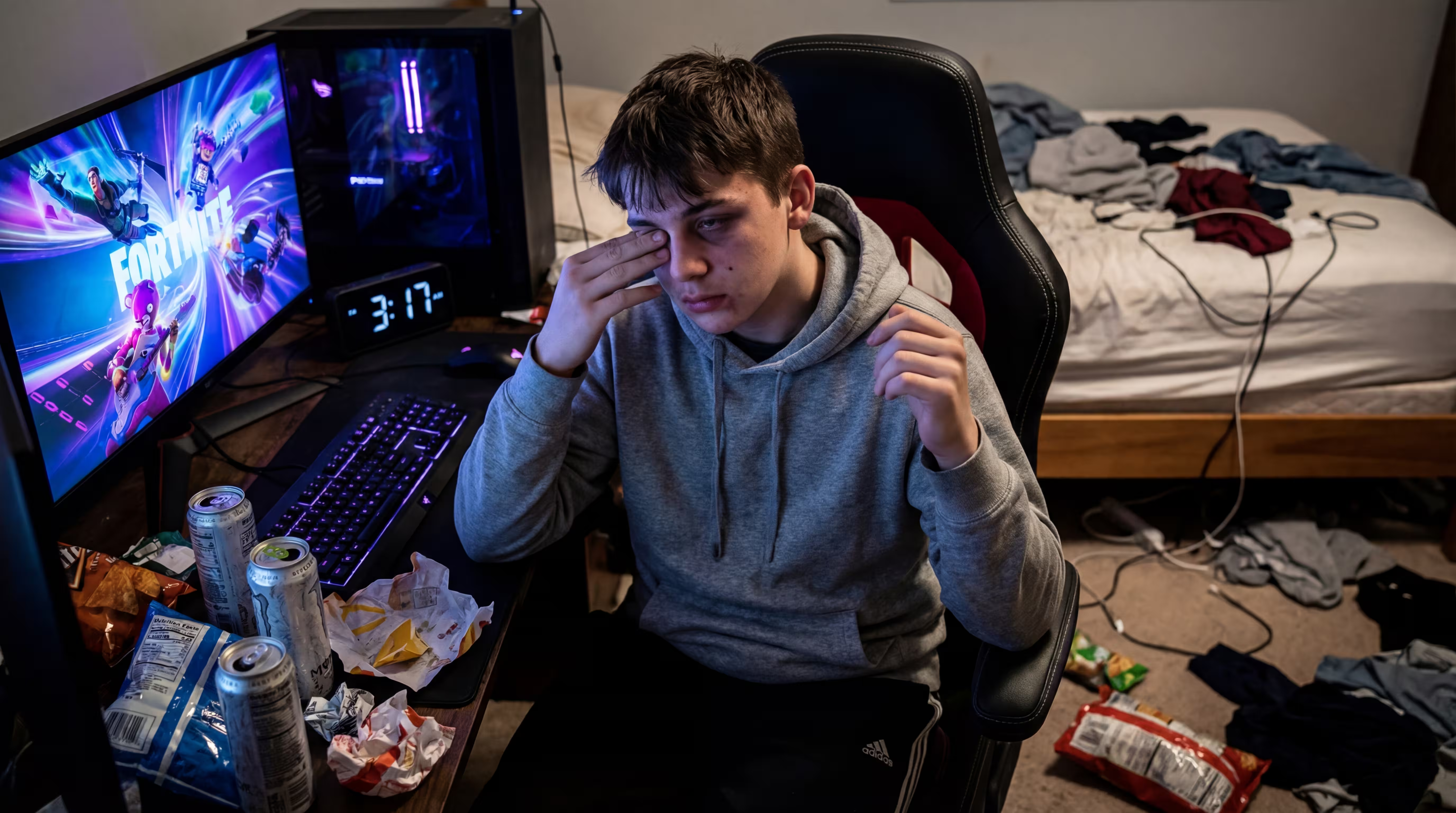
- The "Zombie" Look: Dark circles under eyes, fatigue, and staring blankly when not gaming.
- Hygiene Neglect: Skipping showers or brushing teeth to squeeze in more matches.
- Dietary Changes: Eating junk food at the desk or skipping meals entirely.
The Real Risks Behind Fortnite Addiction
It's easy to joke about playing too much, but the consequences are serious.
Mental Health Decline
Research links severe gaming disorders to increased rates of anxiety, depression, and social isolation. In extreme cases, the isolation can lead to suicidal ideation, a risk highlighted in recent class-action lawsuits against game developers.
Sleep Destruction
The blue light from screens suppresses melatonin, but the adrenaline from a Top 10 situation is worse. It keeps your body in "fight or flight" mode.
Studies show that even short-term sleep deprivation (like pulling an all-nighter for a tournament) drastically reduces your cognitive performance and emotional stability the next day. You aren't just tired; you are chemically unbalanced.
Financial Loss
In 2023, Epic Games paid $245 million to settle FTC charges regarding "dark patterns" that tricked users into making unwanted purchases. Whether it's a kid spending their parents' savings on V-Bucks or an adult blowing rent money on skins, the financial trap is real.
How to Break Free (Cold Turkey)
Moderation rarely works for Fortnite because the game is designed to override your self-control. To reset your brain, you need a clean break. (For the complete cold turkey strategy, see our detailed guide on how to quit gaming cold turkey.)
Step 1: The Hard Reset
You must delete the game.
Un-install it from your PC, console, and phone. If you can, have a trusted friend change your Epic Games password so you physically cannot log in.
Recommended: Commit to a 90-day detox to let your dopamine receptors heal.
Step 2: Build Accountability
Tell someone you are quitting. Not "taking a break," but quitting.
When you keep it a secret, it's easy to relapse. When you tell a friend, parent, or partner, you have a reason to stay strong.
Step 3: Fill the Void
You will have hours of free time you aren't used to. If you just sit in your room, you will relapse.
You need high-dopamine replacements (like gym, rock climbing, or competitive sports) and low-dopamine rest (reading, walking). For a full list of healthy alternatives, check out our guide on what to do instead of gaming.
Step 4: Address the Underlying Issue
Why were you escaping into Fortnite?
Was it bullying at school? Loneliness? Stress at work? The game was your coping mechanism. Now that the bandage is off, you need to heal the wound.
Step 5: Plan for Urges
The urge to play will hit you. It will be strong.
Write down a plan now for what you will do when it happens. (e.g., "When I want to play, I will immediately do 20 pushups" or "I will call my accountability partner").

When to Seek Professional Help
If you try to quit and experience severe physical withdrawal (shaking, sweats) or extreme depression, you should seek professional support.
Need help now? If you are in crisis, please contact a local mental health helpline immediately.
You Don't Have to Do This Alone
The hardest part of quitting Fortnite is the silence. You lose your squad, your routine, and your main source of excitement all at once.
But you are trading a virtual life for a real one.
If you are ready to stop counting wins and start making your life count, join us.
Read more: How to Quit Gaming Cold Turkey | Video Game Addiction Symptoms
Sources & References
This article is backed by research from authoritative medical and legal sources:
- 1.PubMed Central (PMC) - Sleep Deprivation Effects on Gaming Performance
- 2.Federal Trade Commission - Epic Games $245M Settlement: Dark Patterns
- 3.World Health Organization - Gaming Disorder as recognized disease
- 4.Psychology Today - Behavioral addiction research
FAQ
Is Fortnite addiction officially recognized?
Yes. While "Fortnite Addiction" isn't a standalone diagnosis, the World Health Organization recognizes "Gaming Disorder" as a disease. If playing Fortnite compromises your daily life, relationships, or education, it fits the criteria.
Why is Fortnite so hard to quit for kids?
Fortnite combines social pressure (friends are playing) with gambling-like variable rewards (loot/skins). For a developing brain that hasn't fully formed impulse control, this combination is incredibly difficult to resist.
How long does withdrawal last?
Most gamers report that the first 2-3 weeks are the hardest. Irritability, boredom, and cravings usually peak in the first week and subside after about 21-30 days of no gaming.