

How to Quit Gaming Cold Turkey
Titouan De Dain
Summarize with AI
You've probably said it before: "Just one more game."
Hours later, it's 3 AM. You're exhausted, frustrated, and you've neglected your work, friends, or sleep. Again.
If you're here, you know moderation isn't working. You've tried cutting back, but a bad day hits and the cycle starts again.
Quitting video games is hard because it's not just a hobby. It becomes a coping strategy and a dopamine-fueled feedback loop that rewires your brain's reward system. If you're not sure whether this "counts" as addiction, read our guide on whether video game addiction is real.
The good news: you can break out of it. This guide will show you how to quit gaming cold turkey, handle video game addiction withdrawal, and start a gaming detox that actually sticks.
Why quitting gaming is so hard
If you've tried to stop before and "failed", it doesn't mean you're weak.
Games are designed to keep you playing through constant rewards, infinite content, and social pressure to log in. Over time, your brain gets used to high, fast dopamine from gaming. Normal life feels flat in comparison.
When you stop, you go through something that can feel like video game addiction withdrawal: irritability, restlessness, craving "just one more match".
That's why this guide focuses on a structured gaming detox — a clear period of no gaming, with tools to handle urges and rebuild life outside screens.
Step 1: Decide to quit gaming cold turkey
Many people try "only on weekends" or "just with friends." For some, that works. But if you keep sliding back into long sessions, cold turkey is often the cleanest path.
Why cold turkey?
When you keep a little gaming, you keep the trigger alive. Your brain still expects that hit. One rough day, and the "little bit" turns into a full relapse.
Research suggests that a short period of complete gaming abstinence can significantly reduce Internet Gaming Disorder symptoms. So a clear break is not just a mindset trick, it can have measurable effects.
Going cold turkey means:
- Clear rule: No gaming at all for a set period
- Clear goal: Reset your brain and rebuild your life outside games
How long should your gaming detox be?
We recommend aiming for a minimum of 90 days.
- First 2–3 weeks: strongest urges and discomfort
- Around 30–60 days: the "fog" starts to lift
- Around 90 days: real benefits emerge
You're not signing a lifetime contract. You're starting a 90-day experiment to see who you are without games.
Micro-action: Write this down:
"For the next 90 days, I will quit gaming cold turkey and focus on building a life I don't want to escape from."
Step 2: Create friction – the uninstall
Willpower is a battery. If you rely on willpower alone, you'll run out the moment you're tired or stressed.
Instead, you want friction to make gaming so annoying to access that even in a weak moment, you're more likely to pause and think.
Practical steps
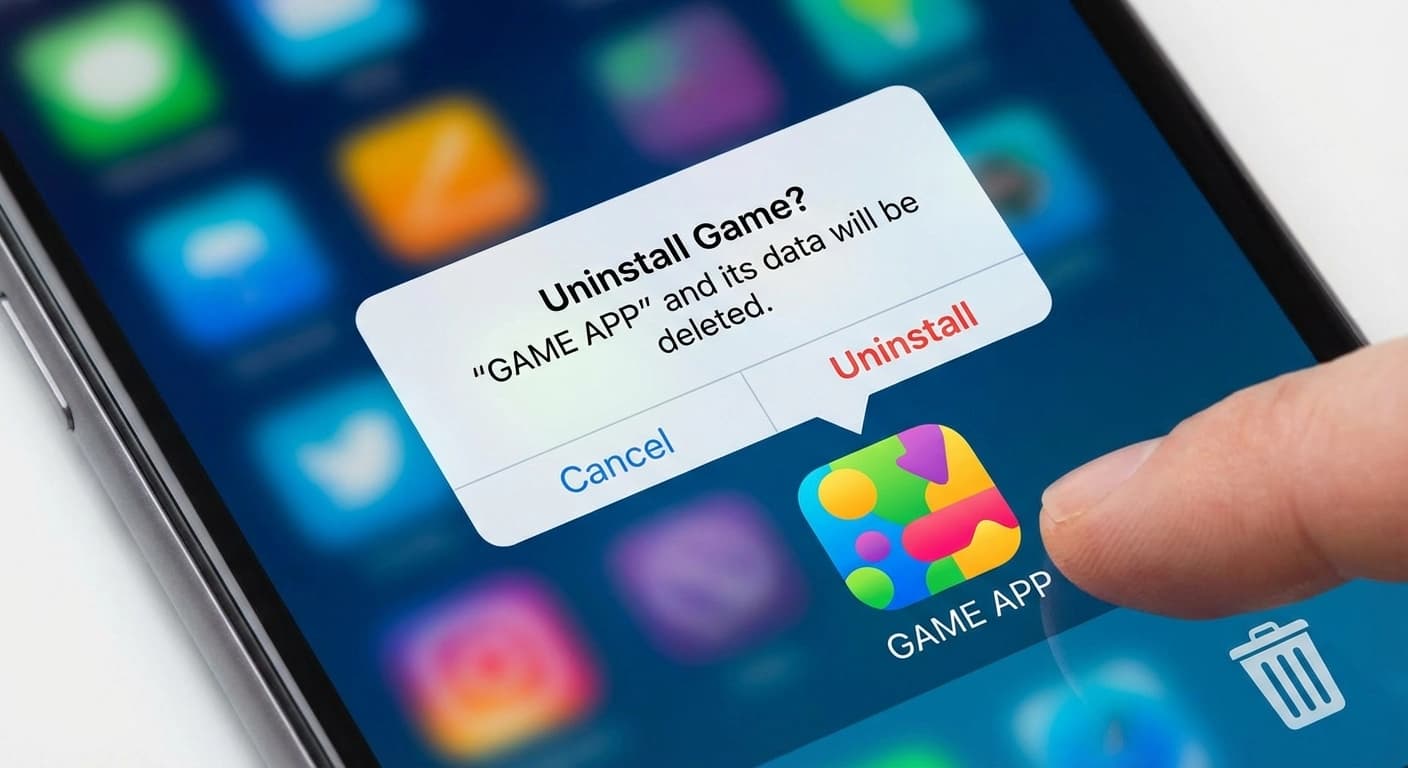
- Uninstall every game from your PC, console, phone, tablet. If it's there, you'll fall back in.
- Unsubscribe from game services — Cancel Xbox Game Pass, PS Plus, MMO subs.
- Log out everywhere — Steam, Epic, Battle.net, Riot. Unfollow gaming YouTubers and streamers.
- Ask for support — If you live with someone, ask them to set a password on the console.
Remember: You're not "losing" your account. You're setting up your environment so your future self doesn't have to fight urges alone.
Step 3: Prepare for gaming withdrawal symptoms
When you stop gaming, you won't instantly feel amazing. The first stretch can be rough, and that's normal.
You will likely feel withdrawal symptoms like irritability, restlessness, low mood, and strong gaming urges. This is not a sign that you "need" games to function — it's a sign that your brain is adjusting.
Common withdrawal symptoms
The Void: A big empty feeling where gaming used to sit in your day.
Restlessness: You feel twitchy, like you should be checking your phone.
Rationalization: Thoughts like "One match won't hurt" or "I can quit properly next week." These are urges talking, not the real you.
How to handle it
- Name the urge — Say to yourself: "This is an urge to game. It will pass."
- Delay, don't obey — Wait 10–15 minutes and do something else. Often the urge drops.
- Plan your hard moments — Your danger times might be late at night or after a bad day. Decide in advance: What will I do instead?
Withdrawal is a sign that your brain is rewiring, not proof that you "need" games to be okay.
Step 4: Fill the void – hobbies to replace gaming
If you only remove gaming and don't add anything, you'll be stuck staring at the wall. Boredom is one of the biggest relapse triggers.
You need new sources of progress, achievement, and connection. In addiction recovery, replacing old negative rituals with new, healthy hobbies is a well-known way to fill the void.
Reconnect with your body: Start with 10–20 minute daily walks, running, or team sports. Moving helps reset your mood and sleep.
Find a new "grind": Pick a skill where you can see clear progression (coding, music, weightlifting, language learning). Treat it like a game with milestones and "XP."
Build real connections: Reach out to one friend you've drifted from. Join a club or class. Spend more time with family. Social skills are trainable.
Micro-action: Choose 1 physical, 1 skill, and 1 social activity to try this week.

Step 5: Track your progress with Lume
Recovering alone is tough. That's why we built Lume — a mobile app to help you treat your recovery like the ultimate RPG.
Track your streak from Day-1 to Day 365, earn XP in real-life skills (Mind, Body, Social), and hit the Emergency Button when urges strike. Connect with others who understand your journey.
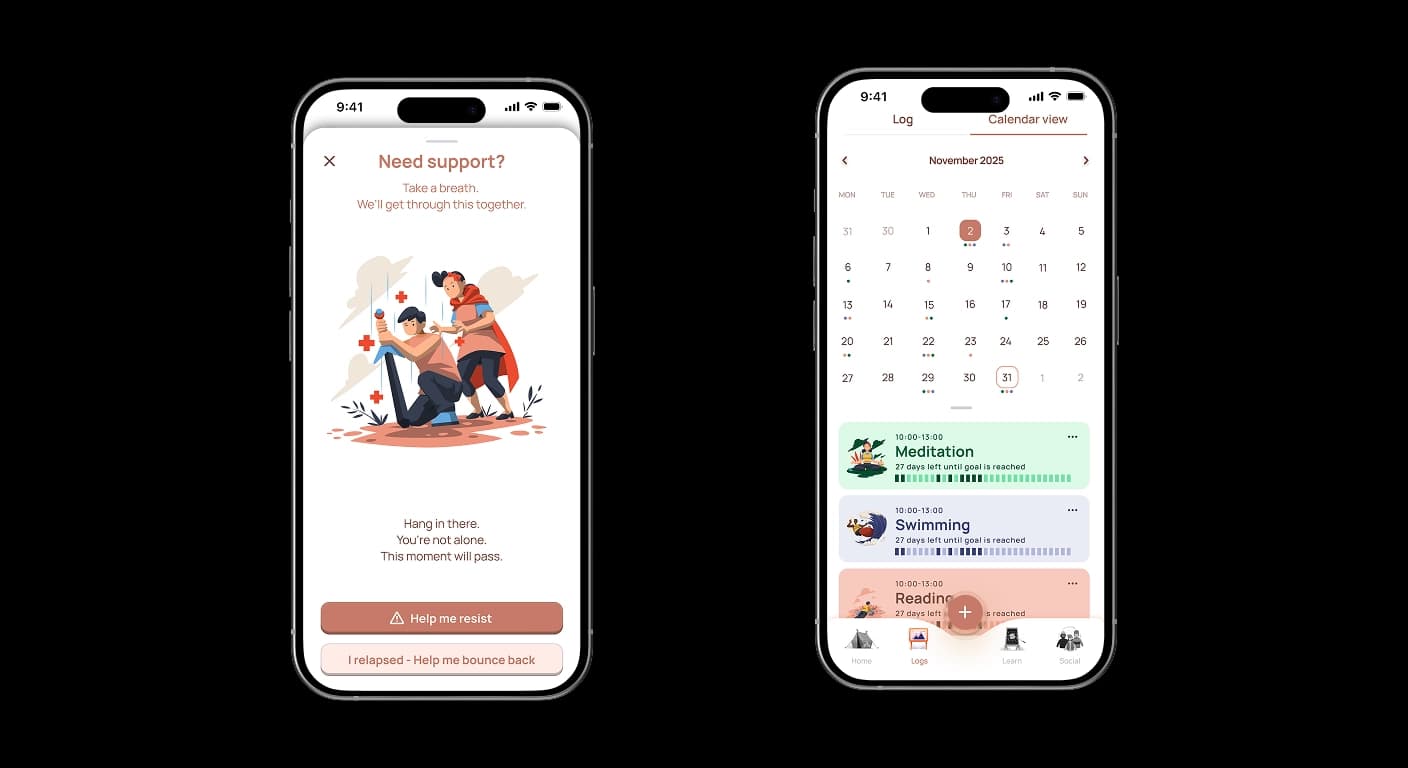
Lume doesn't replace professional help, but it gives you structure and accountability.
Your new life awaits
Quitting gaming isn't just about stopping a hobby. It's about making space for a better life: waking up rested, being present with people you care about, and making progress on goals that matter.
You don't have to fix everything overnight. You only have to start.
Uninstall the games. Plan your 90-day detox. Fill the void with real-world wins. to track your recovery journey and turn it into the most meaningful quest you've ever started.
It all begins with Day-1.