

Is Video Game Addiction Real? Symptoms, Science, and How to Get Help
Jean Willame
Summarize with AI
Need Help Now?
Quick answer
Yes — video game disorder is real. But addiction is harder to truly categorize for gaming yet so we talk about addicted behaviors.
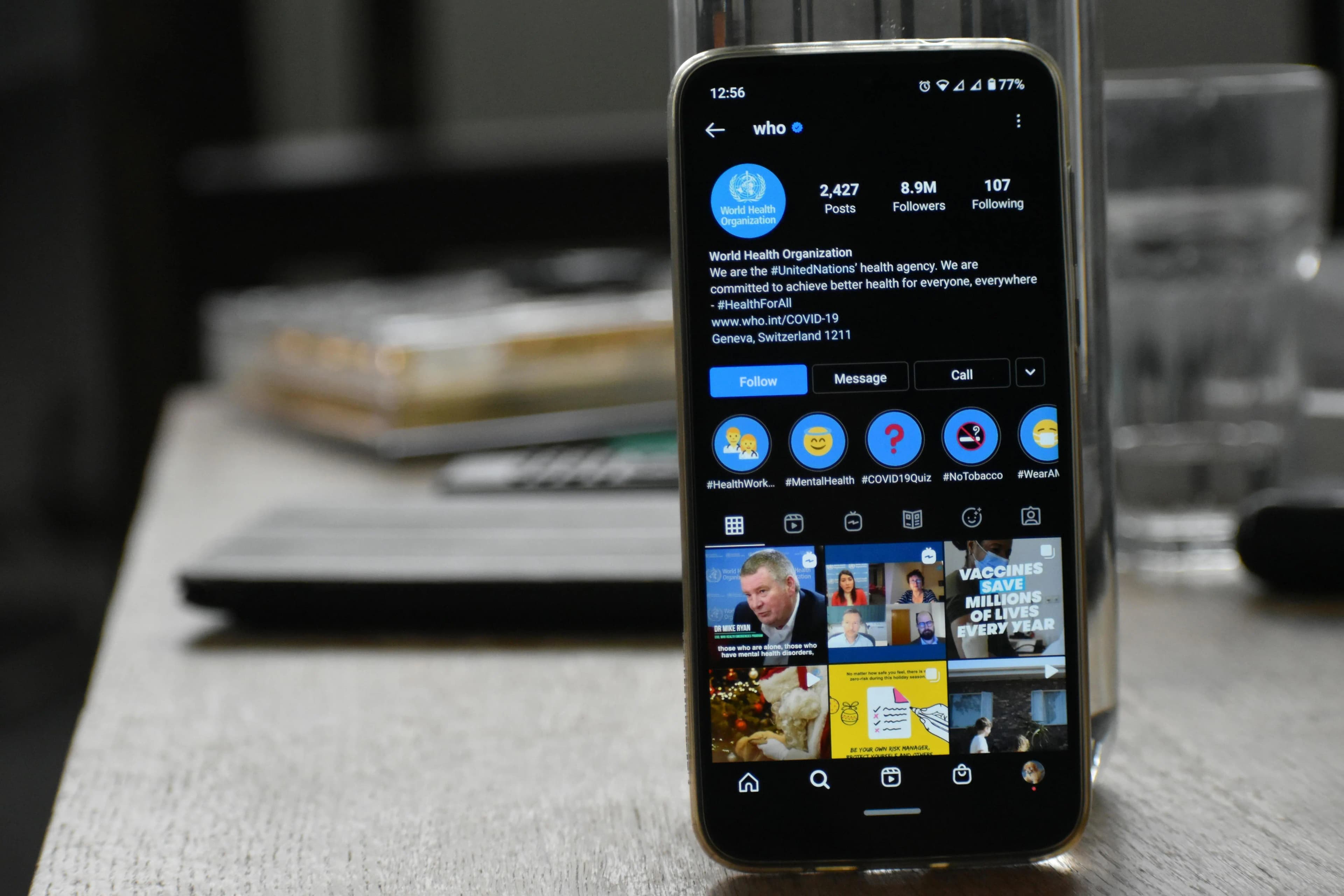
The World Health Organization (WHO), in 2019, recognizes Gaming Disorder in the International Classification of Diseases (ICD-11) as a pattern of gaming where you:
- Lose control over when and how much you play
- Prioritize gaming over real life (school, work, health, relationships)
- Keep playing despite clear negative consequences
This pattern has to last at least 12 months and cause serious problems in your life to count as a disorder.
So: playing a lot, loving games, or thinking about them often does not automatically mean you're addicted. Researchers are very careful about not pathologizing normal gaming.
But let's dive in this article that will help you understand if you are truly addicted or at risk 👇
What "gaming disorder" actually means
Health organizations and clinicians usually look for three core pieces:
- Impaired control
- You promise "just one game" and suddenly it's 4 a.m.
- You've tried to cut back many times and it never sticks.
- Gaming takes priority over almost everything
- You regularly skip sleep, meals, school, work, or social plans to play.
- Other hobbies slowly die off; games become your main coping tool.
- You keep playing even as life gets worse
- Grades tank, relationships fall apart, your health suffers… and you still can't stop.
When those three show up together, and they've been there for a while, professionals start talking about "gaming disorder" or "internet gaming disorder."
What gaming disorder is not
To keep this grounded:
- Not: enjoying games, playing daily, or being passionate about them
- Not: getting immersed, losing track of time occasionally
- Not: using games sometimes to relax or escape a stressful day
A lot of early research tools accidentally treated normal things — like feeling happy while gaming, looking forward to your next session, or using games to de-stress — as "addiction."
Modern definitions focus on real harm and loss of control, not just heavy use.
Common symptoms of video game addiction
You don't need every symptom on this list, but if several feel very familiar, it's worth paying attention.
1. Behaviour changes
- Gaming much longer than planned, almost every time
- Repeatedly failing to cut down or quit
- Lying to family/partner about how much you play
- Skipping school, work, or key responsibilities to game
- Staying up late gaming and struggling to function the next day
2. Emotional & mental signs
- Feeling restless, irritable, or low when you can't play
- Constantly thinking about games, strategies, or loot when you're offline
- Using gaming as your main way to handle stress, sadness, anxiety, or boredom
- Losing interest in offline hobbies or people you used to care about
3. Impact on life
- Grades or job performance dropping
- Conflict with parents, partner, or friends about gaming
- Physical health issues: headaches, eye strain, weight gain/loss, sleep problems
- Money problems from in-game purchases, loot boxes, subscriptions
Again: it's the combination of loss of control + ongoing harm that matters.

How common is gaming addiction?
Did you know that 3.32 billion people worldwide play video games?
Most people who play games, even frequently, do not meet the criteria for a disorder.
Studies that use stricter, clinically focused definitions typically find that 1-3% of gamers exhibit patterns indicative of internet gaming disorder or gaming disorder, depending on the country and methods used.
So it's not everyone, and it's not a moral panic. However, for those affected, the impact on school, work, mental health, and relationships can be significant.
Why can games become addictive?
A few things combine:
- Dopamine & reward loops
- Level-ups, loot, achievements, ranks, daily rewards — all designed to keep you coming back.
- Endless goals
- Many online games never "end": there's always another rank, skin, or season.
- Social pressure
- Clans, guilds, ranked queues — you don't want to "let the team down."
- Escapism that really works
- If real life feels empty, lonely, or chaotic, games offer structure, status, and instant feedback.
For some people (especially with anxiety, depression, ADHD or social difficulties), that mix can become the main way they feel competent and safe — which makes stepping away incredibly hard.
Quick self-check: is this serious?
Ask yourself:
- Have I tried to cut back or quit… and failed several times?
- Have games clearly hurt my grades, job, health, or relationships — and I keep playing anyway?
- Do I feel ashamed or secretive about how much I play?
- If I lost access to games for a week, would I feel panic, anger, or emptiness more than normal stress?
- Do I feel like I'm watching my life from the sidelines while I just keep gaming?
If you're nodding "yes" to several, it's more than just a hobby problem. It's okay to see that. You're not weak — the systems are powerful, and you're human. This is kind of David against Goliath.
You can also take the Lume test on the app to identify if you're at risk or not to be touched by a gaming disorder trouble.
Getting help: what treatment looks like
There's no magic button, but there are evidence-based ways to get better.
1. Professional support
Specialized programs and therapists use approaches like:
- Cognitive-behavioural therapy (CBT): understanding triggers, thoughts, and habits around gaming, then building new coping strategies. (We also try to create Lume around this therapy model).
- Social skills and life-skills training: rebuilding offline confidence and routines.
- Structured "digital detox" / residential programs: short-term stays where you live without games, work on mental health, and reset your habits in a controlled environment.
If gaming is wrecking your health, education, work, or safety — or if you've tried to stop many times and can't — intensive care (IOP or residential) can be the right move.
2. Self-help & early steps
If you're not ready (or able) to seek formal treatment yet, you can still start:
- Tell one trusted person exactly what's going on.
- Pick a clear goal (for example: full 90-day break, or no gaming on school nights).
- Remove or block the worst triggers: uninstall games, use website blockers, put parental controls on your own devices.
- Fill the gap with real-world dopamine: exercise, study goals, creative projects, social meetups.
- Track your days away from gaming and celebrate milestones.
How Lume fits into this
Therapy and residential care aren't available or affordable for everyone. That's one reason we're building Lume.
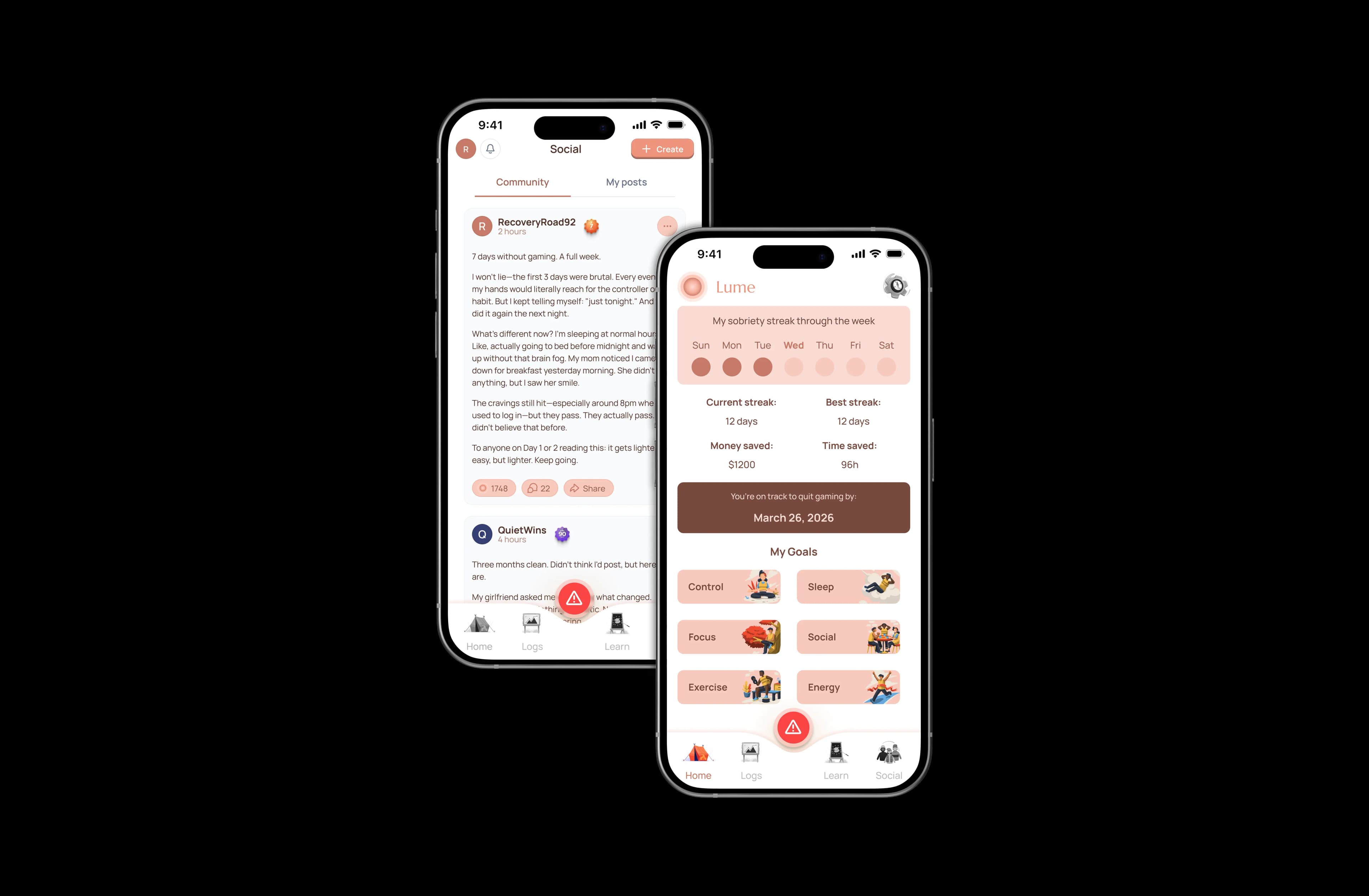
Lume is designed for people who want to quit gaming completely and rebuild their life over a year:
- A 365-day sober counter so you can see progress and milestones
- Daily logs to track sleep, exercise, study and get back on track, building real activity.
- A community of people who get it — ex-gamers sharing cravings, relapses, and wins
- An emergency button you can use when you're close to relapsing
It's not a replacement for therapy when you need medical or psychiatric care. But for many people, it's a structured way to quit and stay quit, one day at a time.
One last thing
If you're reading this because you're worried about yourself, that already shows something important: part of you wants your life back.
Whether you choose to talk to a professional, join a program like reSTART, or start a structured cold-turkey journey with Lume, you don't have to do this alone — and you're not imagining the problem.
Sources
- Question and answer WHO
- World Health Organization classification of Gaming Disorder
- Lootbox in games linked to gambling addiction article
- Understanding gaming addiction in clinical practice
- Inclusion of gaming disorder in the ICD-11
- reStart program
- More about the ICD-11
- The validity of the test evaluation for gaming disorder