
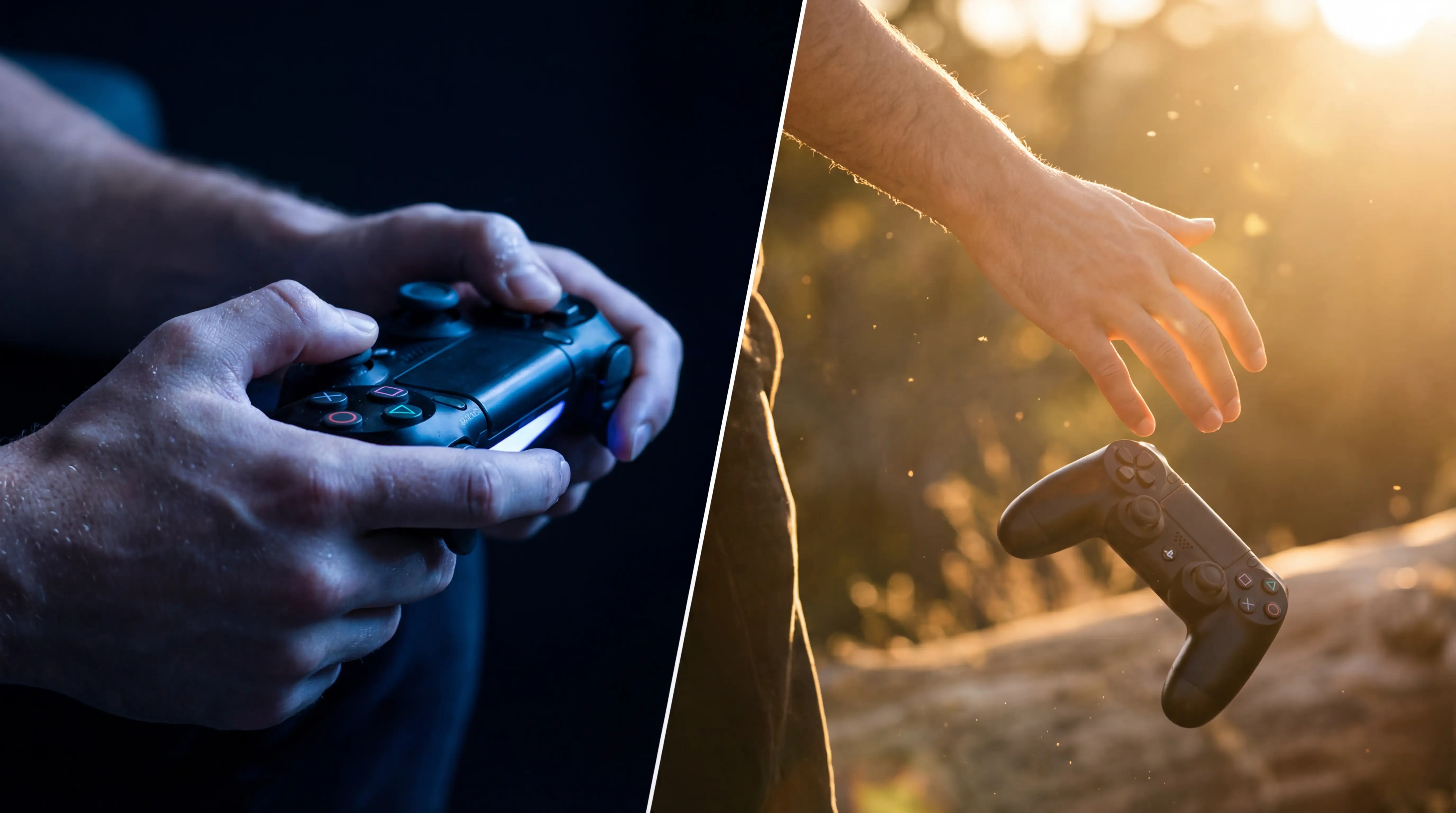
Gaming Addiction in 2026: Complete Guide to Signs, Treatment & Recovery
Titouan De Dain
Summarize with AI
Key Takeaways
- •Official Diagnosis: The WHO recognizes Gaming Disorder as a clinical condition defined by impaired control, increasing priority over life activities, and escalation despite negative consequences.
- •Brain Science: Video games hijack the brain's dopamine reward system, creating a cycle of high stimulation and tolerance similar to substance abuse.
- •Proven Treatments: Cognitive Behavioral Therapy (CBT) is the gold standard for treatment, often combined with mindfulness to manage urges and triggers.
- •Stages of Change: Recovery is a process, not an event. It typically follows the Transtheoretical Model, moving from denial (Precontemplation) to active change (Action) and long-term habits (Maintenance).
For years, the phrase "gaming addiction" was dismissed by many as a myth or a bad habit. But for those of us who have lived it, skipping meals to rank up, losing relationships over raid times, or feeling that crushing brain fog when away from the screen, we know it is very real.
Today, the World Health Organization officially recognizes Gaming Disorder as a diagnosable condition. Understanding this distinction is the first step toward reclaiming control. This guide covers the clinical signs to watch for, the most effective evidence-based treatments, and what the roadmap to recovery actually looks like.
What Is Gaming Addiction?
Gaming addiction, clinically known as Gaming Disorder in the ICD-11, is not defined by hours played. Instead, it is defined by the impact gaming has on your life. It is characterized by a pattern of persistent gaming behavior that takes precedence over other life interests.
It is essential to distinguish between high engagement (being a passionate gamer) and pathological addiction. The key difference lies in the inability to stop even when you want to, or when you know it is hurting your career, health, or relationships.
Read more: Is Video Game Addiction Real? Symptoms & Science

Gaming Addiction Signs & Symptoms: The 3 Core Criteria
According to the ICD-11, a diagnosis of gaming disorder requires three specific criteria to be evident over a period of at least 12 months (though this can be shorter if symptoms are severe).
1. Impaired Control
This is the inability to set limits. You might say "just one more match" at 10 PM and realize it is 4 AM. You struggle to control the onset, frequency, intensity, duration, or termination of gaming sessions.
2. Increasing Priority
Gaming becomes the dominant activity in your life. It pushes aside daily necessities like sleeping, eating, hygiene, and social interactions. If you find yourself canceling plans with friends to grind XP, or ignoring work deadlines to play, this is a major warning sign.
3. Escalation Despite Negative Consequences
You continue to play despite knowing it is causing harm. This could mean failing classes, losing a job, engaging in family conflicts, or suffering from physical health issues like back pain or eye strain. And yet, the urge to play overrides the consequences.
Deep Dive: 15 Signs of Video Game Addiction
The Science Behind Gaming Addiction
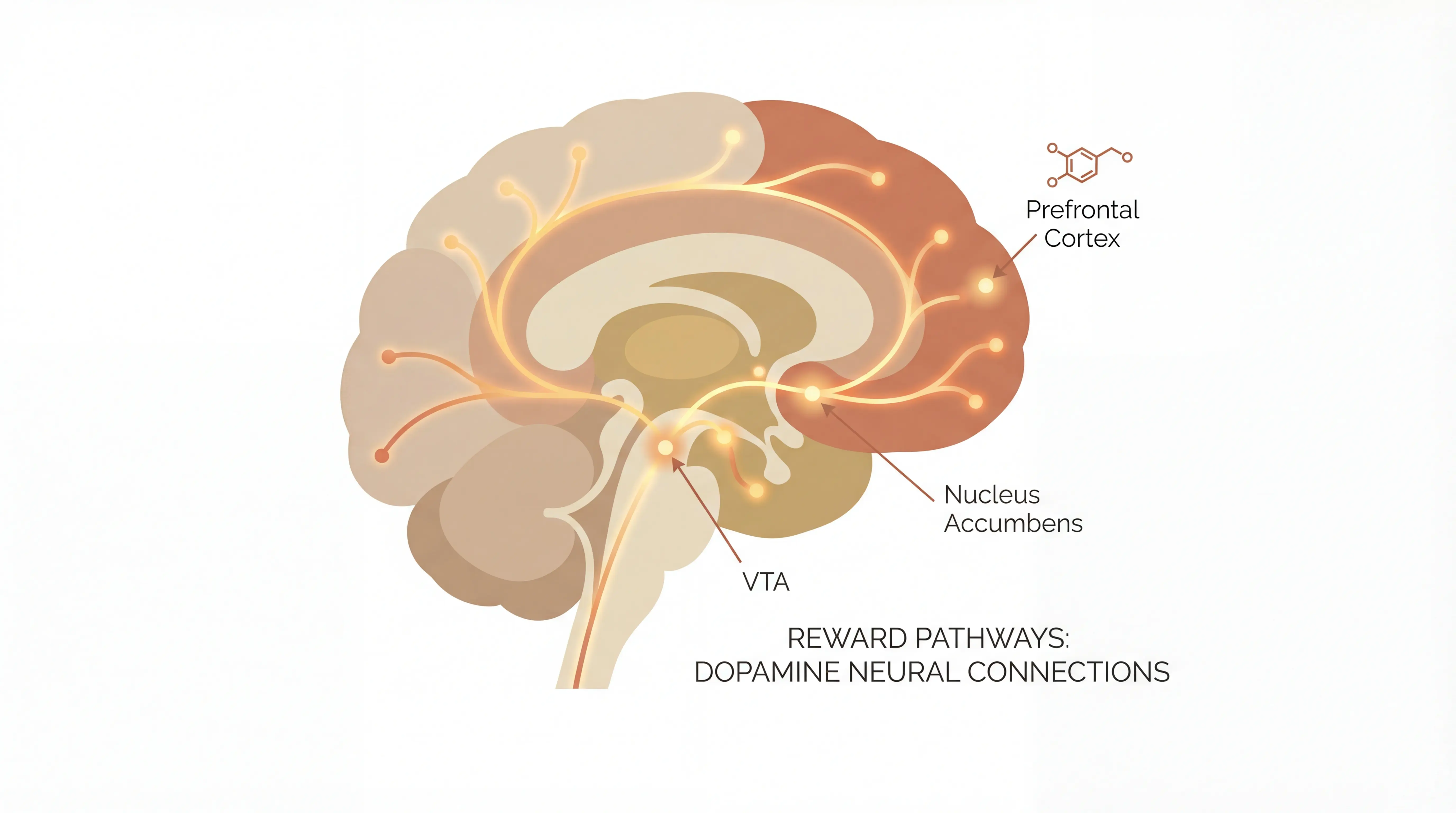
Video games are engineered to be hyper-stimulating. They trigger the brain's reward system, releasing dopamine in response to achievements, loot boxes, and social validation. Over time, the brain's baseline for satisfaction resets, leading to tolerance where you need to play more to feel the same satisfaction.
For many individuals with gaming addiction, gaming also serves as a coping mechanism for underlying issues like anxiety, depression, or ADHD. It offers a structured environment where effort equals reward, a predictability often missing in real life.
Learn more: How Can Video Games Be Bad for You?
Evidence-Based Gaming Addiction Treatment Options
Recovering from gaming addiction often requires more than just willpower. Several professional treatment approaches have proven effective in clinical studies.
Understanding your options is the first step toward lasting change.
Cognitive Behavioral Therapy (CBT)
CBT is currently the gold standard for treating gaming disorder. It works by helping you identify the specific thoughts and triggers that lead to the urge to play. A therapist helps you:
- Recognize rationalizations (e.g., "I'll just play for 10 minutes").
- Develop coping strategies for stress and boredom.
- Restructure your daily routine to include non-gaming activities.
Mindfulness-Based Interventions
Recent research suggests that combining CBT with mindfulness training is more effective than CBT alone. Mindfulness helps you observe the craving to play without acting on it. Instead of fighting the urge (which often makes it stronger), you learn to surf the urge until it passes.
In-Patient and Group Therapy
For severe cases, residential programs (like reSTART) or intensive outpatient programs provide a digital detox environment. Group therapy is also powerful, as it combats the isolation that often fuels addiction, connecting you with others on the same path.
The 5 Stages of Gaming Addiction Recovery
Recovery is rarely a straight line. It is helpful to view it through the Transtheoretical Model (TTM) of behavior change, which outlines the stages you will likely move through.
| Stage | What it looks like | Strategy |
|---|---|---|
| 1. Precontemplation | "I don't have a problem, people are just overreacting." | Consciousness Raising: Read stories from former addicts or watch documentaries to understand the risks. |
| 2. Contemplation | "Maybe I play too much, but I'm not sure if I can quit." | Decisional Balance: Write down a pro/con list of your gaming habits. Visualize where you will be in 5 years if nothing changes. |
| 3. Preparation | "I'm going to quit next Monday." | Goal Setting: Plan concrete steps. Delete games, sell consoles, or install blocking software. |
| 4. Action | "I haven't played in 3 days." | Stimulus Control: Actively modify your environment to remove triggers. Replace gaming time with new hobbies (sports, reading, coding). |
| 5. Maintenance | "I've been game-free for 6 months." | Self-Efficacy: Focus on the benefits you've gained (better sleep, mental clarity) to prevent relapse during stressful times. |
Action Plan: How to Quit Gaming Cold Turkey

Helping a Loved One With Gaming Addiction
If you are reading this for a child or partner, the most important step is to approach them with empathy, not accusation. Anger often drives them deeper into the virtual world.
- Focus on feelings, not play time: Instead of saying "You play too much," try "I miss spending time with you."
- Set boundaries together: Establish "tech-free zones" or times that apply to everyone in the household, not just the gamer.
Start Your Gaming Addiction Recovery Today
Gaming addiction is a formidable challenge, but it is treatable. Whether you are in the "Contemplation" stage wondering if you should quit, or in the "Action" stage fighting withdrawal, know that thousands have walked this path before you and reclaimed their lives.
If you are ready to start your recovery journey, you don't have to do it alone.
– The first app designed by ex-gamers to help you break free and level up in real life.
Frequently Asked Questions
Is gaming addiction a real mental disorder?
Yes. The World Health Organization officially recognized Gaming Disorder in the ICD-11 in 2019. It is classified as a pattern of gaming behavior characterized by impaired control, increasing priority given to gaming over other activities, and continuation despite negative consequences.
How many hours of gaming is considered addiction?
There is no specific hour threshold. Gaming addiction is not defined by time spent playing, but by the impact on your life. Someone playing 4 hours daily with no negative consequences is not addicted, while someone playing 2 hours but neglecting work, relationships, and health may be. The key factors are loss of control and continued use despite harm.
Can you recover from gaming addiction on your own?
Many people successfully reduce or quit gaming without professional help, especially in earlier stages. However, for moderate to severe cases, Cognitive Behavioral Therapy (CBT) significantly improves outcomes. Support groups, accountability partners, and structured programs like Lume can also help bridge the gap between self-help and formal treatment.
What causes gaming addiction?
Gaming addiction results from a combination of factors: game design (reward loops, social pressure, endless progression), brain chemistry (dopamine dysregulation), and underlying conditions (anxiety, depression, ADHD, loneliness). Games provide predictable rewards and social connection that may be missing in real life, making them particularly appealing as a coping mechanism.
How do I know if I'm addicted to video games?
Ask yourself these questions: Have you repeatedly tried to cut back and failed? Is gaming causing problems at work, school, or in relationships? Do you feel irritable or anxious when you cannot play? Do you keep playing despite knowing it is hurting you? If you answered yes to several of these, it may be time to seek help or to start your recovery journey.
Sources & References
This article is backed by research from authoritative medical sources:
- 1.World Health Organization - Gaming Disorder - ICD-11
- 2.World Health Organization - Addictive Behaviours: Gaming Disorder Q&A
- 3.Scientific Reports (Nature) - A systematic review of the effectiveness of treatments for gaming disorder
- 4.Journal of Psychiatric Research - Risk-taking and risky decision-making in Internet gaming disorder
- 5.Mindfulness Journal - Mindfulness-based interventions for addictive behaviors